
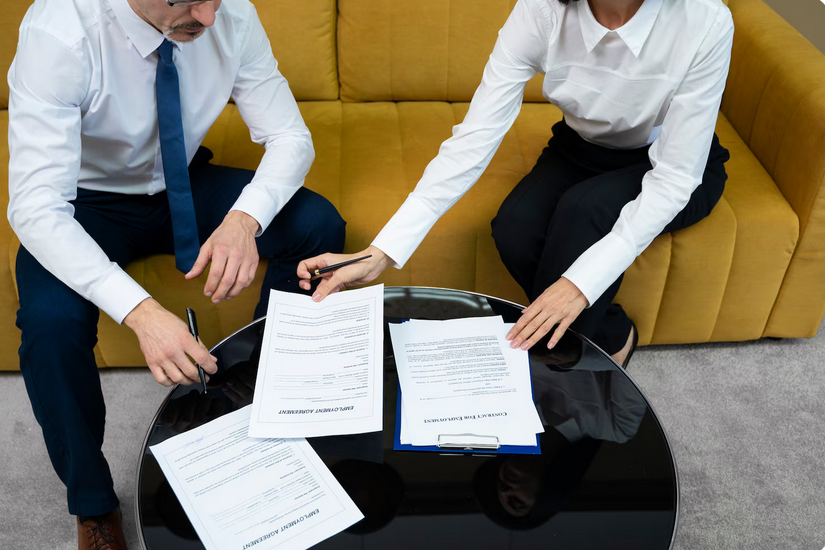
Crashes involving multiple drivers can quickly become complicated, especially when everyone is pointing fingers. Determining who is responsible isn’t always straightforward, and injured victims often feel stuck in the middle of competing stories and insurance disputes. Auto injury lawyers are trained to untangle these situations, making sense of the evidence and guiding clients through a process that can feel overwhelming. Their strategies are designed to protect your rights and help you pursue fair compensation, even when multiple parties are involved.
Understanding How Fault Is Divided
 Every state has its own system for determining how fault is shared among drivers, and these rules have a huge impact on the outcome of a claim. Lawyers closely examine police reports, witness statements, and traffic laws to figure out how responsibility might be split. When an auto accident claims attorney steps in during this early stage, they use their understanding of comparative and contributory fault rules to evaluate how each driver’s actions may influence the claim’s value.
Gathering Evidence From Every Angle
In a multi-vehicle crash, evidence becomes especially important. Lawyers look beyond basic photos and statements to uncover details that might otherwise be missed. They may request surveillance footage, vehicle data, accident reconstruction analyses, or phone records to determine whether behaviors like speeding or distraction played a role. The goal is to build a clear picture of what happened from every angle so each driver’s involvement can be accurately assessed.
Handling Conflicting Stories From Drivers
It’s common for drivers in a multi-fault crash to disagree about what happened. These conflicting accounts can slow down the claims process and create uncertainty. Lawyers know how to separate facts from assumptions, relying on objective evidence rather than personal recollections. By analyzing inconsistencies and matching them with verifiable information, they help clarify responsibility and prevent false narratives from gaining traction.
Calculating Fair Compensation in Shared-Fault Cases
Multi-driver accidents often raise questions about how compensation should be divided. Lawyers evaluate medical bills, lost wages, pain and suffering, and long-term needs to determine the full value of a client’s damages. They then compare this with the percentage of fault assigned by the state’s laws. Because each driver’s level of responsibility affects how much compensation can be collected, calculating damages requires careful analysis and a strong understanding of legal standards.
Working With Multiple Insurance Companies

When more than one driver is potentially at fault, multiple insurance companies often become involved. This can create a maze of overlapping policies, adjusters, and negotiations. Lawyers act as intermediaries, making sure communication stays organized and focused. They understand how insurers evaluate shared-fault cases and push back when a company attempts to unfairly shift blame or reduce the payout. This guidance is especially valuable during long or complicated negotiations.
Preparing for the Possibility of Litigation
While many claims settle out of court, cases involving multiple drivers sometimes require litigation. Lawyers prepare early by organizing evidence, consulting experts, and developing arguments that clearly explain how the crash occurred. Even if the case never reaches trial, this preparation strengthens their position during negotiations. Insurers are often more willing to settle fairly when they see the other side is ready and able to prove fault.
When multiple drivers share fault for a crash, the path to compensation becomes more complex—but not impossible. Auto injury lawyers use strategic investigation, evidence review, and knowledgeable negotiation to guide their clients through the process. By understanding how fault is divided and how insurers operate, they help protect the rights of crash victims and work toward fair outcomes even in the most tangled situations.