
Renting out residential property can provide a steady source of income, but becoming a landlord involves more than finding tenants and collecting monthly payments. Property owners also have legal responsibilities that affect how rental agreements are prepared, how properties are maintained, and how tenant concerns are handled. Overlooking these obligations can lead to disagreements, financial losses, or legal disputes. Requirements may differ depending on local laws, property classifications, and the terms of the rental arrangement. Understanding the basic responsibilities before accepting tenants helps property owners establish clear expectations and maintain a professional relationship throughout the tenancy.
Understanding Rental Agreements and Contract Terms
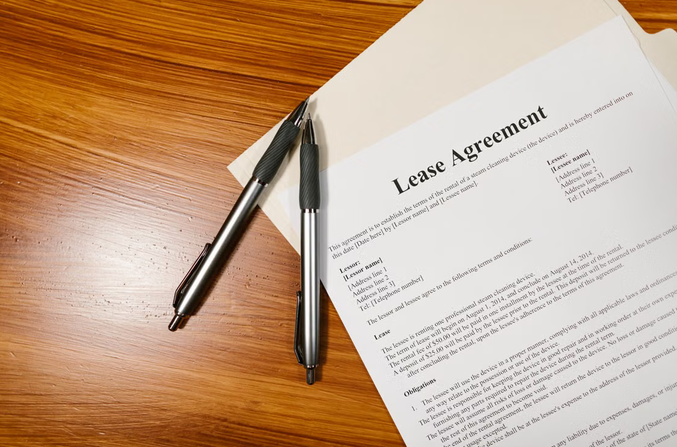
A rental agreement establishes the legal relationship between a property owner and a tenant. It explains the conditions under which someone can occupy a residential property and identifies the responsibilities of both parties. Although verbal arrangements may be recognized in certain circumstances, written agreements provide clearer evidence of what both sides have accepted. A properly prepared contract should identify the property, rental amount, payment schedule, security deposit, lease duration, and conditions for renewal or termination. It should also explain rules concerning pets, property alterations, utilities, and shared facilities when applicable. Ambiguous wording can create disagreements, particularly when tenants and landlords interpret certain conditions differently. Property owners should review applicable rental laws before preparing or signing an agreement. They should avoid including provisions that violate tenant protections or attempt to remove rights established by law. Clear documentation creates a more reliable foundation for the tenancy and makes it easier to address concerns when they arise.
Maintaining Safe and Habitable Living Conditions
Landlords generally have a responsibility to provide residential properties that meet applicable health, safety, and habitability standards. A rental unit should have functioning essential facilities, adequate sanitation, safe electrical connections, and protection from serious structural problems. Specific requirements depend on the jurisdiction, but property owners should never assume that visible cleanliness alone makes a unit suitable for occupancy. Maintenance responsibilities may include addressing leaking pipes, damaged roofing, faulty wiring, plumbing problems, and defective doors or windows. Delayed repairs can expose tenants to safety risks while allowing minor defects to become more expensive problems. Regular inspections and preventive maintenance help property owners identify concerns before they affect occupants. Landlords should also respond appropriately when tenants report urgent problems. Keeping records of repair requests, inspection findings, and completed maintenance work can demonstrate responsible property management. When specialized repairs are necessary, qualified professionals should handle the work.
Managing Security Deposits and Rental Payments
Financial arrangements are another important part of a landlord’s legal responsibilities. Property owners should understand the rules governing rental payments, advance rent, security deposits, and permitted deductions. These requirements can vary significantly between locations, so landlords must check the applicable regulations before collecting money from prospective tenants. Security deposits are generally intended to cover specific obligations, such as unpaid rent or damage beyond ordinary wear and tear. However, landlords cannot automatically treat every deposit as additional income. They should document the property’s condition before occupancy and compare it with its condition after the tenancy ends. Photographs, inspection reports, and written communication can help support legitimate deductions. Providing payment receipts and maintaining accurate financial records also reduces misunderstandings. Tenants should know when payments are due, which payment methods are accepted, and how late payments are handled under the agreement and applicable law.
Respecting Tenant Privacy and Access Rights
Owning a rental property does not mean having unrestricted access to the occupied unit. Once a tenant receives lawful possession, privacy becomes an important consideration. Landlords must respect applicable rules concerning property inspections, maintenance visits, and entry for other legitimate reasons. Most jurisdictions establish conditions for entering an occupied rental unit, including advance notice, reasonable visiting hours, or specific exceptions for emergencies. Property owners should understand these requirements instead of assuming that ownership automatically grants permission to enter whenever convenient. Communication is essential when arranging inspections or repairs. Informing tenants about the purpose and expected timing of a visit helps prevent unnecessary conflict. Landlords should also avoid accessing personal belongings or using inspections as a way to interfere with ordinary residential activities. Respecting privacy supports trust and helps maintain a professional landlord-tenant relationship.
Handling Lease Violations and Property Disputes
Disagreements can arise when tenants fail to meet contractual obligations, or landlords do not fulfill their responsibilities. Common concerns include unpaid rent, unauthorized occupants, property damage, excessive noise, and disagreements over maintenance. Although these situations can become frustrating, property owners should follow lawful procedures when addressing violations. Landlords should review the rental agreement, document relevant incidents, and communicate concerns clearly. Written notices may be required before certain actions can be taken. The correct notice period and procedure depend on local regulations and the nature of the violation. Eviction should never involve intimidation, unauthorized lock changes, utility disconnection, or the removal of a tenant’s belongings without legal authority. Property owners must follow the appropriate legal process. Seeking advice from a qualified lawyer can help prevent procedural mistakes and unnecessary disputes.
Following Local Regulations and Tax Obligations
Residential property owners must also consider regulatory and financial requirements beyond their direct relationship with tenants. Depending on the location, renting out property may involve registration, permits, local compliance requirements, and tax reporting obligations. Ignoring these responsibilities can result in penalties or complications when managing the property. Landlords should understand which rental income must be declared and which expenses may qualify for deductions under applicable tax rules. Keeping records of rental collections, maintenance costs, insurance payments, and property-related expenses makes financial reporting more manageable. They should also check whether local regulations impose additional requirements on residential rental operations.
Renting out residential property requires careful attention to contractual, financial, maintenance, and regulatory responsibilities. Understanding tenant rights, maintaining safe living conditions, documenting transactions, and following proper legal procedures can help prevent avoidable conflicts. Since rental laws differ across jurisdictions, property owners should seek qualified legal guidance when requirements are unclear. Responsible management protects both the property owner’s interests and the tenant’s right to a safe and respectful living arrangement.